

January 2026 is hitting New York businesses hard. Arctic blasts, ice storms, and supply chain disruptions are testing every company's resilience right now. If your business isn't prepared for severe weather impacts on your operations and data infrastructure, you're gambling with your company's survival.
The recent Central Park snowfall hit 4.3 inches in a single day, but that's just the beginning. Your supply chain, your staff, and your critical systems are all vulnerable when Mother Nature decides to flex her muscles across the Northeast.
The Hidden Cost of Winter Weather on Business Operations
Most New York business owners focus on the obvious storm impacts: closed roads, delayed shipments, staff calling in sick. But the real damage happens to your digital infrastructure when severe weather strikes.
Here's what's actually happening to businesses across New York during January's harsh weather patterns:
Power grid instability affects 73% of businesses during severe winter storms, according to recent infrastructure reports. When your power flickers, your servers crash. When your servers crash, your operations halt.
Supply chain disruptions extend far beyond delayed deliveries. Your vendors can't access their systems. Your customers can't place orders. Your payment processing gets interrupted. Everything stops.

Supply Chain Vulnerabilities You Can't Ignore
Your supply chain isn't just trucks and warehouses anymore. It's data flows, cloud connections, and digital communications that keep your business moving. January storms expose every weak link.
Digital Supply Chain Breakdown
When severe weather hits New York, these critical systems fail first:
• Cloud connectivity issues – Your team can't access essential applications
• Communication breakdowns – Email servers crash, phone systems go down
• Payment processing failures – Credit card systems become unreliable
• Inventory management chaos – Real-time tracking systems lose connection
Your business continuity depends on these digital supply chains working perfectly. One broken link paralyzes everything.
The Domino Effect of Infrastructure Failure
Here's how January storms create cascading business failures:
- Power outages hit your primary location
- Internet connectivity becomes unstable
- Staff can't work remotely effectively
- Customer service grinds to a halt
- Revenue streams get cut off completely
Each hour of downtime costs your business an average of $8,851, according to current industry data. During severe weather, that number skyrockets.
Real-World Lessons from New York's Harshest Weather
Let's examine what actually happens when New York businesses face severe January storms without proper disaster recovery planning.
Case Study: The 48-Hour Shutdown
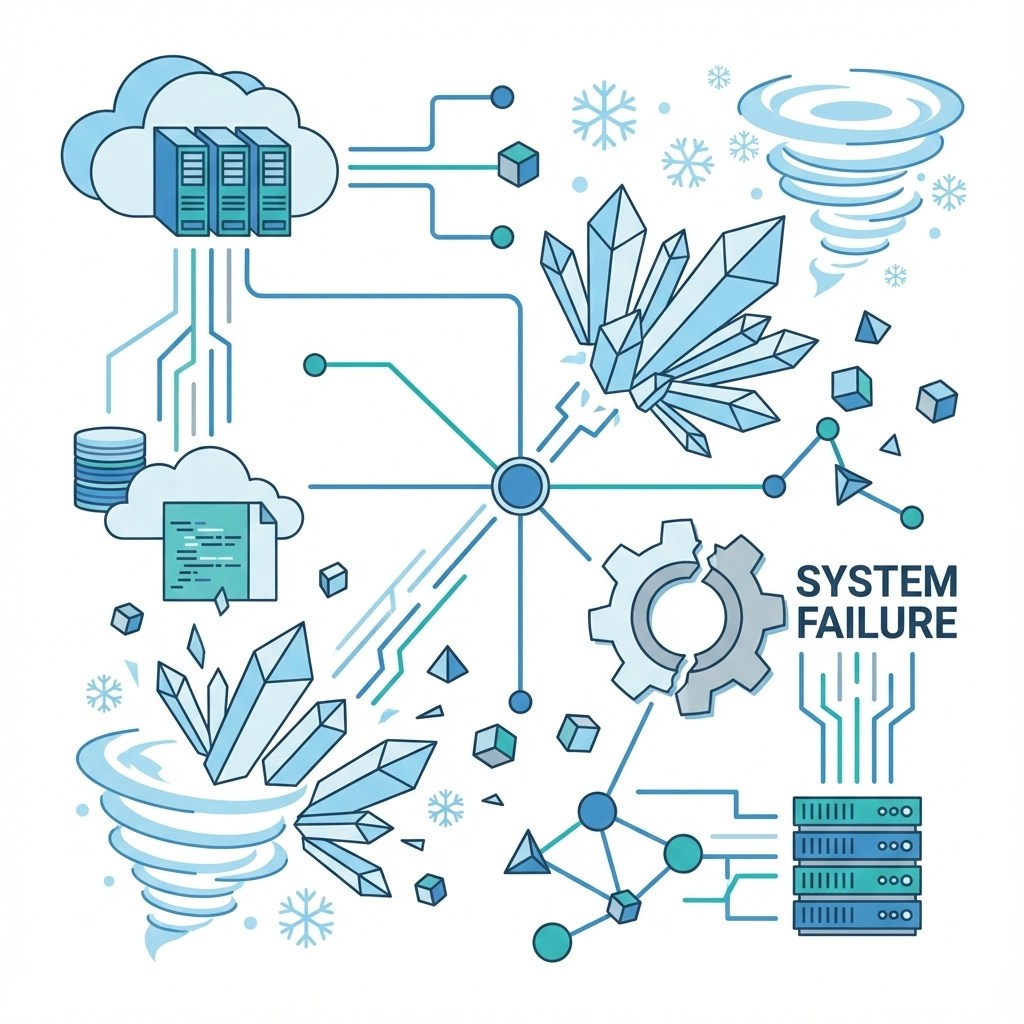
A Manhattan-based consulting firm lost everything during a recent ice storm. Their primary server room's heating system failed. Temperatures dropped. Servers overheated trying to compensate. Complete system failure.
No remote access. No client files. No communication. Forty-eight hours of total business shutdown while competitors continued serving clients through cloud-based disaster recovery systems.
The lesson? Environmental threats to your IT infrastructure are just as dangerous as cyber threats.
The Remote Work Reality Check
January storms force employees to work from home. But your disaster recovery plan assumes they can actually access company systems remotely. What happens when home internet fails? When personal devices can't handle business applications?
Successful businesses maintain redundant access methods through cloud-based solutions that work regardless of local infrastructure problems.
Building Weather-Resistant Business Continuity
Your business needs immediate protection against New York's unpredictable January weather patterns. Here's how to build real resilience.
Critical Infrastructure Protection
Protect your physical IT environment:
• Install redundant heating/cooling systems for server rooms
• Implement uninterruptible power supplies (UPS) with extended battery life
• Create offsite backup power solutions
• Monitor environmental conditions 24/7
But physical protection isn't enough. You need comprehensive disaster recovery solutions that keep your business running when local infrastructure fails.
Cloud-First Continuity Strategy
Modern disaster recovery means cloud-first thinking:
• Immutable cloud backups protect against data loss and corruption
• Geographically distributed storage ensures access even during regional outages
• Automated failover systems maintain operations without human intervention
• Remote access capabilities keep teams productive from anywhere

The 3-2-1-1-0 Backup Strategy for Storm Season
Follow this enhanced backup approach during severe weather seasons:
• 3 copies of critical data
• 2 different storage media types
• 1 offsite backup location
• 1 immutable backup that can't be altered
• 0 recovery errors through regular testing
This strategy specifically addresses weather-related data risks that traditional backups miss.
Implementing Storm-Ready Business Operations
Your business continuity plan needs immediate updates to handle January's severe weather patterns effectively.
Essential Communication Systems
Maintain multiple communication channels that work during infrastructure failures:
• Cloud-based phone systems with mobile app access
• Redundant internet connections through different providers
• Satellite communication backup for critical operations
• Automated notification systems for staff and customers
Staff Productivity During Weather Events
Enable true remote productivity:
• Provide cloud-based access to all essential applications
• Implement virtual desktop solutions for consistent work environments
• Create mobile-optimized workflows for smartphone access
• Establish clear communication protocols for weather emergencies

The Ron Klink Advantage: Local Expertise, Global Solutions
New York businesses need disaster recovery solutions designed specifically for local weather challenges. Ron Klink understands the unique infrastructure vulnerabilities that January storms create across the Northeast.
Our comprehensive disaster recovery services address every aspect of weather-related business continuity:
Immediate Protection Services
• 24/7 monitoring of your critical systems
• Automated backup verification ensuring data integrity
• Rapid response protocols for emergency situations
• Local support team familiar with New York infrastructure challenges
Long-Term Resilience Building
• Custom disaster recovery planning for your specific business needs
• Regular testing and updates to ensure plan effectiveness
• Staff training programs for emergency procedures
• Ongoing optimization based on changing weather patterns
Taking Action Before the Next Storm
Don't wait for the next severe weather event to test your business continuity plan. January storms in New York are becoming more frequent and more severe. Your competitors are already implementing comprehensive disaster recovery solutions.
Immediate Steps You Can Take Today
- Assess your current backup systems – Are they weather-resistant?
- Test remote access capabilities – Can your team work from anywhere?
- Review communication protocols – Will you stay connected during outages?
- Evaluate cloud infrastructure – Is your data truly protected?
Get Professional Assessment
Schedule a comprehensive disaster recovery assessment with experts who understand New York's unique weather challenges. Contact Ron Klink today for immediate consultation on protecting your business against severe weather disruptions.

Weather-Proof Your Business Now
January 2026's storms are just the beginning. Climate patterns suggest more severe weather ahead for New York businesses. The companies that survive and thrive will be those with comprehensive, tested disaster recovery plans.
Your business continuity depends on taking action now. Every day you delay implementing proper disaster recovery solutions increases your risk of catastrophic business disruption.
Contact Ron Klink – Disaster Recovery Solutions today to weather-proof your business operations. Don't let the next storm shut down your success.


